ARGENTINA STORY
Opening Doors for a New Generation
Each summer, students from CEL High School in Argentina are invited to spend two weeks at Bethune-Cookman University in Florida, experiencing life and learning in a new cultural setting. What begins as a journey across continents becomes an opportunity to broaden horizons, build relationships, and imagine new possibilities for the future.
For generations, Methodist education in Argentina has understood learning as more than preparation for a career. It is also about forming young people who can engage the world with faith, curiosity, and a commitment to serve others.
At CEL High School, that vision creates an important question: how can students be given opportunities to see beyond the world they already know? Classroom learning can introduce new ideas, but encountering another culture, building relationships with people from different backgrounds, and experiencing a university community can expand a young person’s sense of what might be possible.
That hope is especially meaningful within the long relationship between Methodists in Argentina and The United Methodist Church. Bishop Nelly Ritchie and other Methodist leaders understood that partnership could be about more than financial support. Relationships between churches and institutions could create opportunities for young people to learn from one another and discover the wider Methodist connection for themselves.
The challenge was to turn that vision of connection into an experience young people could actually enter.
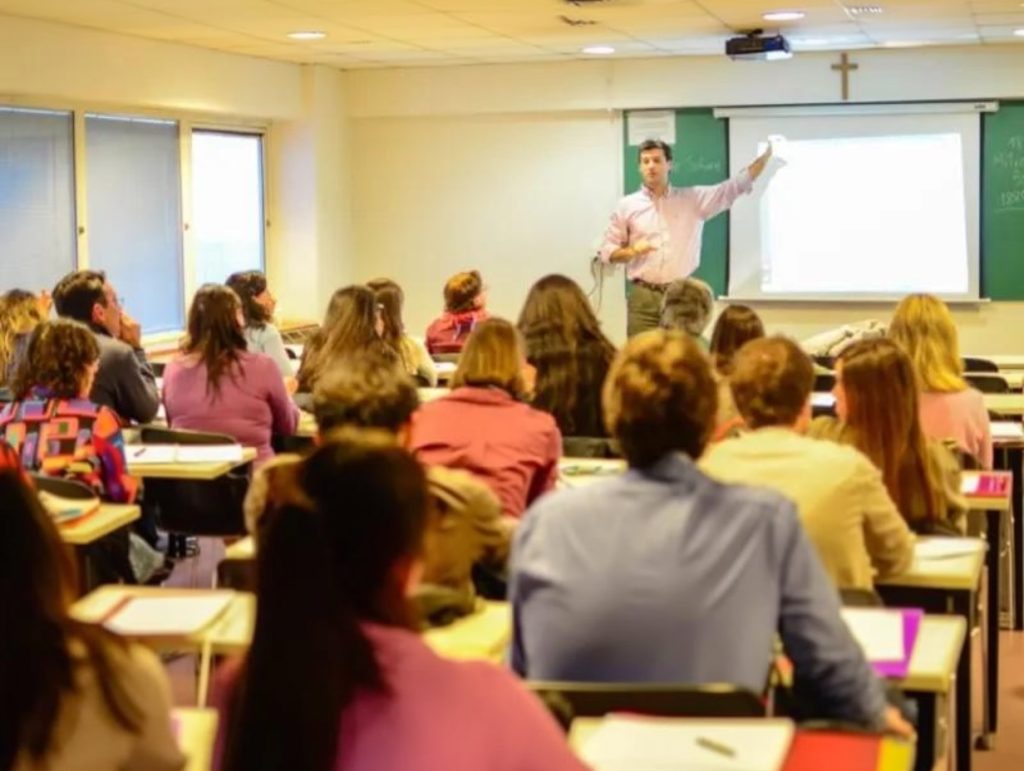
Classroom in the Centro Educativo Latinoamericano in Rosario, Argentina. Photo by CEL.
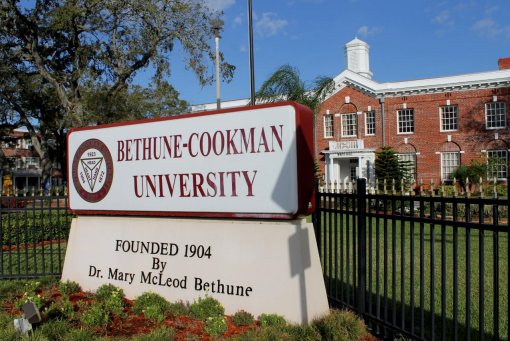
Bethune-Cookman University, a United Methodist HBCU in Daytona Beach, Florida
That vision took tangible form through a relationship between CEL High School and Bethune-Cookman University, a historically Black university with Methodist roots in Daytona Beach, Florida. Through this partnership, CEL students are invited to travel from Argentina to Florida each summer and spend two weeks experiencing life on the Bethune-Cookman campus.
For the students, the experience moves education beyond the familiar surroundings of home and school. They enter another culture, encounter a different educational environment, practice communicating across languages and cultures, and build relationships with people whose experiences may be very different from their own.
The exchange also gives concrete expression to something Methodists often describe as “connection.” Here, connection is not an organizational structure or a financial transaction. It is young people from Argentina being welcomed by a Methodist-related institution in the United States and discovering that relationships within the wider Methodist family can open doors to learning and encounter.
Two weeks is a relatively short time. But an experience does not have to be long to enlarge a young person’s understanding of the world. The invitation from Bethune-Cookman gives CEL students an opportunity to cross boundaries—geographic, cultural, and educational—and return home having experienced possibilities that previously may have seemed distant.
trannsformation
A Wider World of Possibility
The transformation created through this partnership begins with exposure. CEL students who participate are able to step outside their familiar surroundings and experience another country, culture, and educational community firsthand. What had previously been known from a distance becomes personal—through places visited, conversations shared, relationships formed, and daily life experienced together.
The exchange also changes what “connection” can mean. A relationship between Methodist institutions in Argentina and the United States becomes something young people can experience for themselves. The connection is no longer simply between church leaders or institutions; it becomes a relationship shared by students across cultures and national boundaries.
Perhaps one of the most significant signs of transformation is that the opportunity continues. Each summer, another group of CEL students can enter an experience made possible by a relationship that has been cultivated and sustained over time. One generation benefits from a partnership that then creates opportunities for the next.
We cannot know all the ways two weeks at Bethune-Cookman will shape a student’s future. But we can see what the partnership places within reach: a broader experience of the world, relationships across cultures, exposure to university life, and the discovery that the Methodist connection can become a doorway to experiences far beyond one’s own community.
Sometimes transformation begins simply by discovering that the world—and your place within it—is larger than you imagined.
BETHUNE-COOKMAN UNIVERSITY & THE COMMUNIDAD EDUCATIVA LATINOAMERICANO
Partnership Makes Ministry Possible
At the heart of this story is a relationship between CEL in Argentina and Bethune-Cookman University in Florida. What began as a connection between Methodist-related institutions has become an opportunity that students can experience personally.
Each year, Bethune-Cookman welcomes ICEL students to its campus for two weeks, opening its university community to young people arriving from another country, culture, and context. ICEL, in turn, helps students step into an experience that extends their education far beyond the classroom.
The strength of the partnership is its reciprocity. It is not simply one institution providing something to another. It is a relationship built through hospitality, learning, cultural encounter, and a shared commitment to young people. Mr. Martin Trainer, Director General of CEL in Rosario, Dr. Albert Mosley, President of BCU, and Rev. Dawn Worden, pastor of Christ United Methodist Church in St. Petersburg, Florida facilitate this partnership.
Year after year, that relationship creates another opportunity for students to cross borders, encounter a wider world, and experience what can happen when Methodist institutions choose to remain connected across distance.
Help Make Transformation Like This Possible
Across Latin America and the Caribbean, relationships between Methodist churches, schools, and institutions create opportunities for people to learn from one another and serve together.