BOLIVIA STORY
Strengthening Indigenous Leadership in Bolivia
In many rural indigenous communities, leaders are asked to respond to:
- Government policies that impact land, resources, and livelihoods
- Economic systems that are difficult to understand or influence
- Social tensions that require both wisdom and advocacy
And yet, more than half of these leaders have had little access to formal training in areas such as:
- public policy and governance
- economic systems
- negotiation and communication
Without these tools, their ability to advocate for their communities is constrained—even when their commitment is strong.
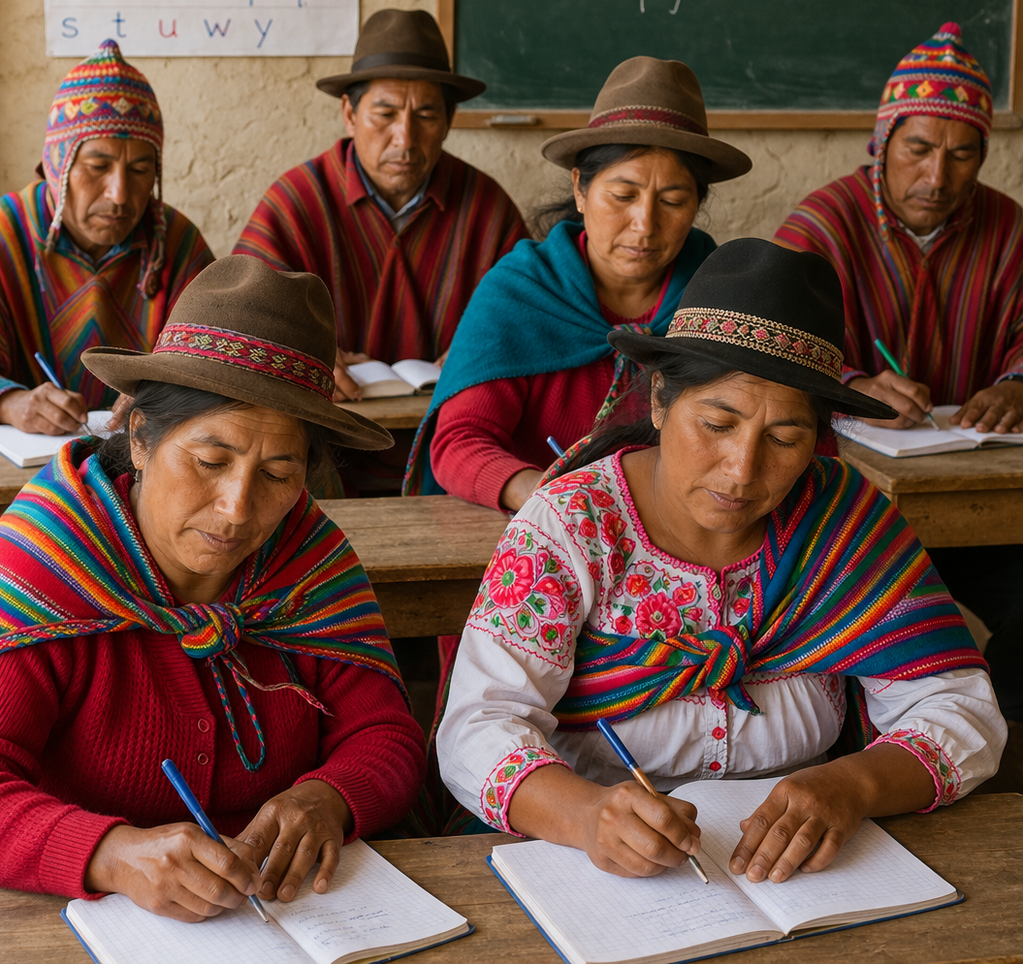

The Evangelical Methodist Church in Bolivia (EMCB) recognized this gap—and responded.
Through its ongoing ministry with indigenous and rural communities, the Church launched a leadership training initiative focused on:
- strengthening the capacity of local leaders
- equipping them to engage effectively in civic and political processes
- supporting their role as advocates for their communities
This was not outside training imposed from afar.
It was locally led formation, rooted in the lived realities of Quechua and Aymara communities.
Through this initiative, indigenous leaders participated in formation that included:
- Understanding municipal and national decision-making processes
- Learning how to engage in dialogue and negotiation with government officials
- Exploring economic structures and reforms that impact rural communities
- Developing communication skills to represent their communities clearly and effectively
These sessions created space not only for learning—but for reflection, collaboration, and shared discernment.

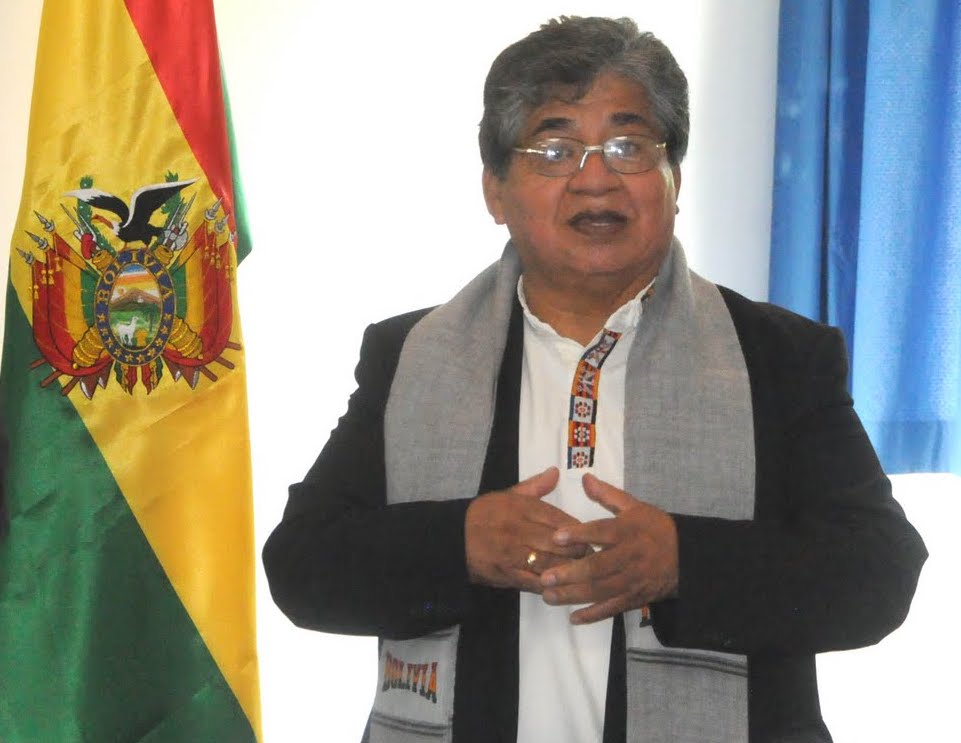
As leaders gained confidence and knowledge, something began to shift.
They were no longer only responding to decisions made around them.
They were participating in shaping those decisions.
- Leaders began engaging more actively in municipal conversations
- Communities found stronger representation in discussions that affected their future
- Indigenous voices—often overlooked—became clearer, more confident, and more present
And perhaps most importantly:
These leaders were not acting alone.
They were supported by a community of faith that affirmed their role, their voice, and their calling.
At its heart, this ministry is not only about training. It is about presence:
the Church walking alongside indigenous communities—forming leaders not only in skill, but in faith; strengthening communities not only in capacity, but in hope.
The Role of Encounter
Encounter with Christ helped make this work possible by supporting the leadership and vision already present within the Evangelical Methodist Church in Bolivia.
Through this partnership, the Church was able to expand its training, reach more indigenous leaders, and deepen its impact across rural communities.
This is the role of Encounter:
not creating ministry from the outside,
but strengthening what is already alive,
faithful, and locally led.
Across Bolivia, indigenous leaders are guiding their communities with courage, wisdom, and faith.
With the right support, that leadership continues to grow—bringing transformation not only within the Church, but across society.
You are invited to be part of this…